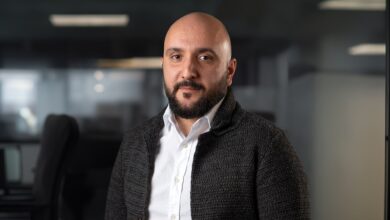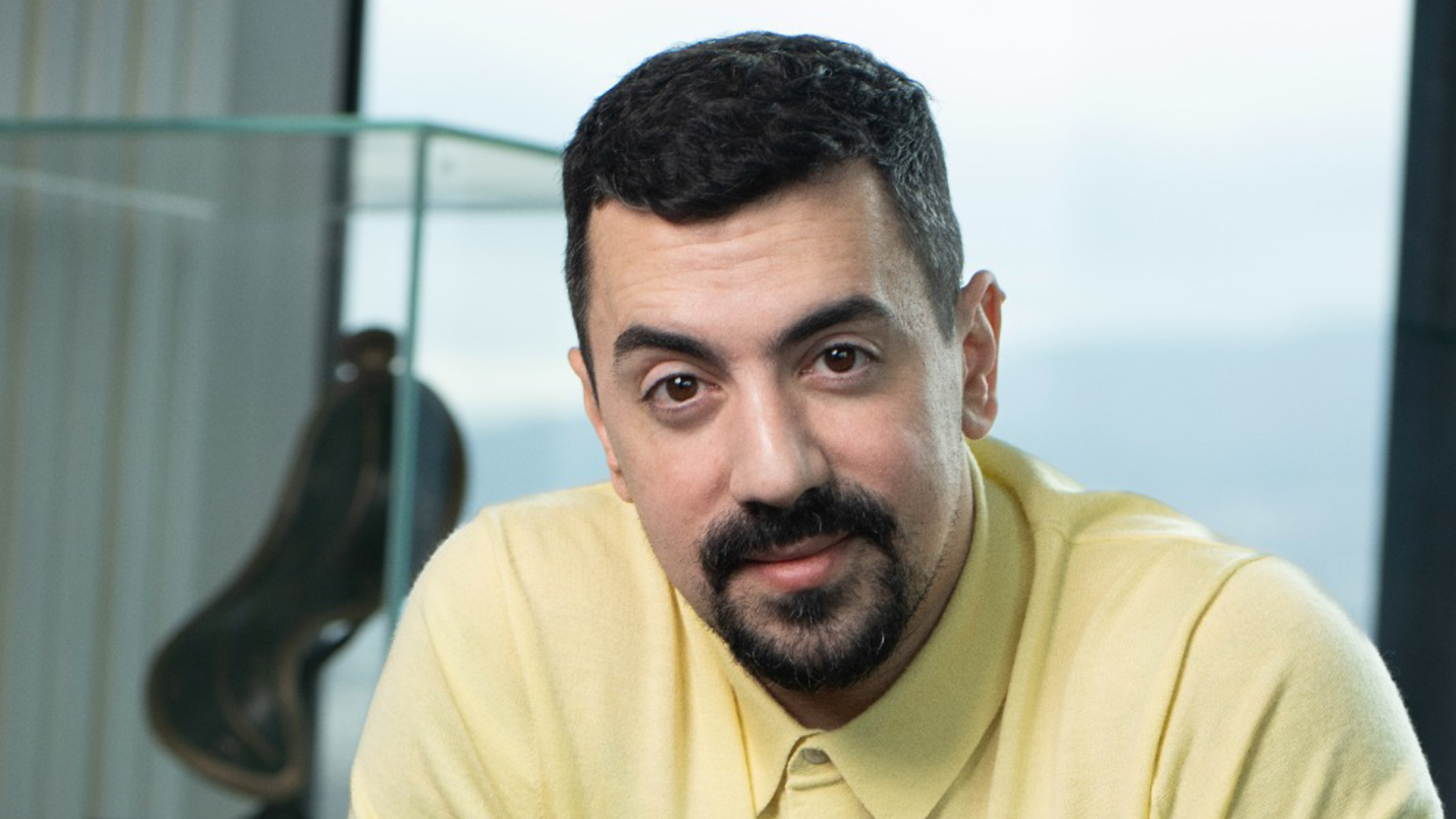
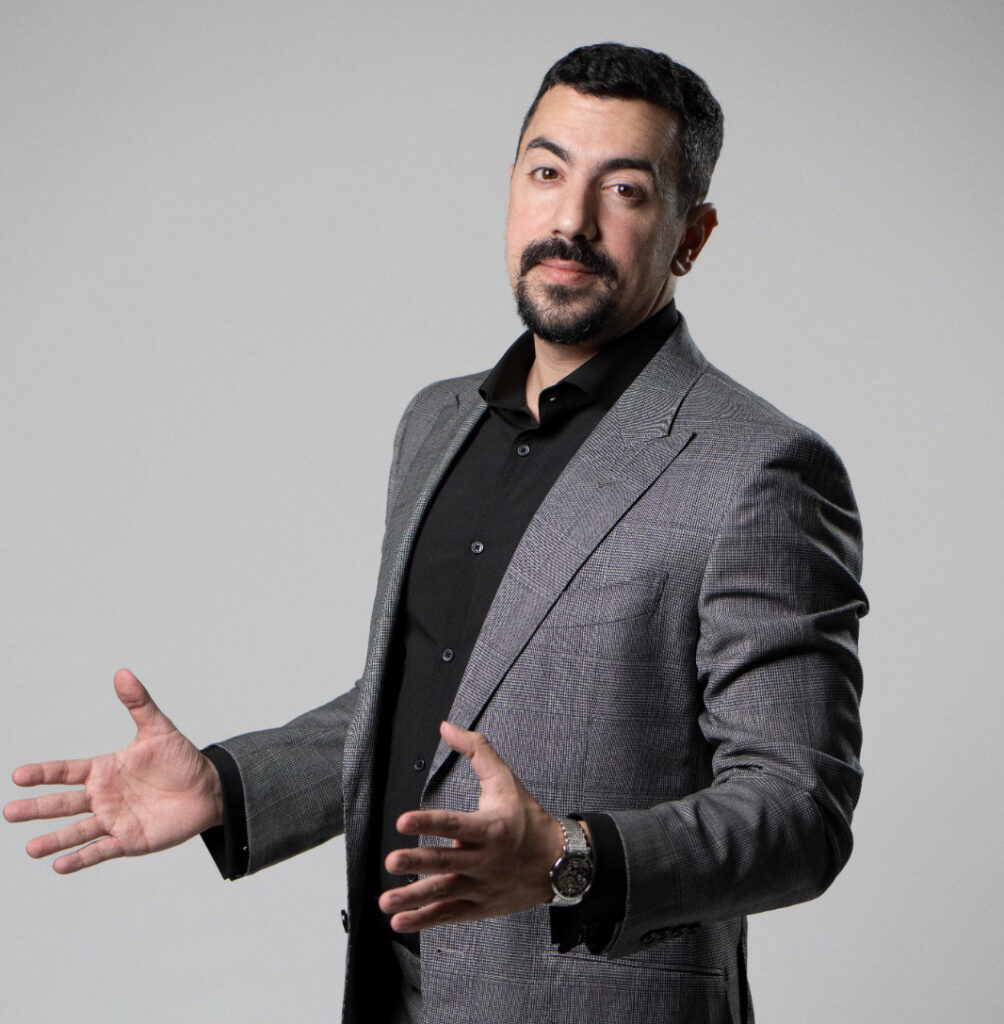
- Tom Light is the Founder and Chief Executive Officer of FIRST – Best in Sports, a fast-growing B2B sportsbook technology company delivering data-driven solutions to operators worldwide. With over two decades of experience in sports betting and iGaming, he has significantly contributed to the evolution of modern sportsbook products. Since founding FIRST, Tom has led the company’s rapid expansion across global markets, building a high-performance team and developing innovative sportsbook products that support operators in scaling and competing at the highest level.
FIRST – Best in Sports has experienced impressive international growth under your leadership. What do you see as the main reason for this growth? Was it mainly strategy, technology, the team, or something else?
It’s not one thing. It’s the combination, with a clear priority.
First, product. We built a real Tier 1 sportsbook engine from day one. Proprietary trading, multi-feed, fast, stable. Not a wrapper.
Second, speed. We move faster than legacy suppliers. Operators don’t wait months. We deliver continuously, and that compounds.
Third, localisation. We didn’t push a generic product into LatAm. We built for Brazil, Peru, Mexico. Payments, leagues, UX. That’s why we scaled fast.
Fourth, commercial focus. Every feature is built to drive revenue. Not for demos. Things like SnapBet, gamification, AI trading are there to increase turnover and retention.
And finally, the team. People who have done this before, at scale.
If I have to choose, it’s product first. Everything else follows.
FIRST’s rapid expansion in Latin America has attracted considerable attention. Was there a specific turning point when you realized the company’s strategy in the region was truly working?
Yes. The turning point was when operators stopped comparing us to other B2B suppliers and started using us to compete against Tier 1 brands.
In LatAm, you’re not competing against small local books. You’re up against Betano, bet365, Superbet, Sportingbet, Stake. If your product is average, you lose. Simple.
What we saw was operators switching to FIRST and suddenly being able to compete. Better product, better engagement, better performance. Not parity, real competition.
That’s when it clicked. The market didn’t need another supplier. It needed a weapon.
And we built it that way from day one. Not to match the market, but to give operators something strong enough to win in it.
You’ve mentioned that your father, a senior executive at Motorola, involved you in business discussions from a young age. Do you think that early exposure shaped the way you approach leadership and decision-making today?
Yes, 100%.
I was exposed early to how decisions are actually made, not just what the outcome is. Sitting in conversations, understanding trade-offs, seeing how executives think under pressure. That stays with you.
At Motorola level, decisions are not theoretical. They affect markets, people, revenue. That mindset shaped how I operate today.
I’m very direct in decision-making. I look at impact, speed, and downside. Not politics, not noise.
It also built a bias for action. You don’t wait for perfect information. You make the best decision with what you have, move fast, and adjust.
So yes, that early exposure had a big influence.
FIRST employs a large team of live traders. At a time when many operators rely heavily on automation, why do you still see human trading expertise as essential for a Tier-1 sportsbook product?
We use a lot of AI. But AI doesn’t replace traders. It amplifies them.
Our traders are not operators clicking buttons. They’re professionals. Syndicate-level, mathematicians, many of them have been with me for 10 to 15 years, even from the SBTech days.
They are the ones training the models, setting the logic, understanding edge cases. AI is only as good as the people behind it.
In high-level trading, especially live, things don’t behave clean. Context matters. Game flow, market sentiment, sharp activity. That’s where human expertise still wins.
So the model is simple: AI for speed and scale, humans for intelligence and control.
If you remove the human layer, you don’t get a Tier 1 product. You get an average one.
You were recently honored with an individual award at the EGR Europe Awards. What does this recognition mean to you personally, and how does it reflect the journey of the team at FIRST – Best in Sports?
It’s appreciated, but I don’t see it as personal.
In the past year, we’ve won six awards. That doesn’t happen by accident. It reflects what the team has built since launch in June 2024.
We’ve been moving fast, delivering results, and not slowing down. That’s what the recognition really represents.
For me, it’s simple. Awards are a signal. They show the market we’re doing something different.
But internally, it’s just validation. We know where we are, and we know we’re in a league of our own.
The focus stays the same. Keep building, keep winning.
FIRST managed to reach dozens of operators and hundreds of employees in a very short time. When you founded the company, what was the one capability you were determined to build differently from existing sportsbook suppliers?
Speed.
Not just fast product, but fast as an organisation.
From day one, I wanted a company that can deliver real changes in weeks, not months. In this industry, most suppliers are slow, heavy, and reactive. That kills operators.
So we built everything around that. Modular architecture, strong internal trading, tight feedback loops with clients, and teams that actually understand the product.
The goal was simple: if an operator needs something to win in their market, we don’t debate it for six months. We deliver it fast and properly.
That’s what allowed us to scale to dozens of operators and hundreds of people so quickly.
Because speed, done right, compounds.
You spent more than a decade helping build SBTech and were part of the company’s $3.3 billion merger with DraftKings. After such a major industry milestone, what motivated you to start again with FIRST – Best in Sports instead of taking a different path?
Simple. This is what I do.
I’ve spent my whole career in sports betting. I tried other things, real estate, different investments. Nothing comes close.
Sports betting is different. It’s fast, it’s complex, it’s constant decision-making. Product, trading, risk, everything moving in real time. That’s what I enjoy.
At some point it stops being about money. It becomes about building, competing, and doing it better than anyone else.
After SBTech, I could have stopped. But I wasn’t interested in sitting on the side.
I wanted to build again. And build it the way I believe it should be done.
You have described competition as one of your main motivations and said that strong competitors actually push you to perform better. In such a crowded sportsbook supplier market, how does that competitive mindset influence the way you run FIRST today?
Competition sharpens everything.
We operate like we’re always behind, even when we’re not. Because the moment you feel comfortable in this market, you start losing.
The fact that operators are competing against Betano, bet365, Stake forces us to raise the bar constantly. It’s not enough to be “good for a B2B supplier.” We have to be good enough to win against the best consumer brands.
That mindset affects how we build product, how fast we move, how we prioritise. We focus on what actually gives operators an edge, not what looks good on a roadmap.
It also keeps the team hungry. No complacency, no bureaucracy.
At the end, competition is not a threat. It’s the benchmark.
You’ve had a surprisingly diverse background — from professional breakdancing in your youth to building global sportsbook platforms. Do you think that creative side helped shape the way you approach innovation and risk in business?
Yes, but it was earlier in life.
I breakdanced as a teenager, not today. But that period shapes how you think.
It teaches you to improvise, take risks, and operate without a clear structure. You learn by doing, not by following a playbook.
That mindset stayed with me. In business, especially in sports betting, things move fast and don’t always behave as expected.
It makes you more comfortable challenging assumptions and trying things others won’t.
Not reckless, but not limited by how things were done before.
For entrepreneurs entering the sports betting technology sector today, what mindset or principle would you say is most critical for long-term success?
Don’t build for parity. Build to win.
This is not a market where an average product survives. You’re competing against the best operators in the world. If you’re not giving your clients a real edge, you’re irrelevant.
Second, understand the product deeply. Trading, risk, player behavior. Not just UI or integrations. If you don’t understand how the money is made, you won’t last.
Third, move fast. Speed compounds. Slow companies die, even if they’re technically good.
And last, think long term. This is a grind. It takes years to build something real. If you’re in it for quick wins, you’ll quit before it works.
Related Company:
-

FIRST
FIRST is a Tier-1 sportsbook technology provider delivering high-performance betting infrastructure for regulated iGaming markets worldwide. The company combines extensive sportsbook expertise with advanced engineering capabilities to provide scalable solutions...