Ireland’s 2% Betting Duty Hike Sparks Bookmaker Backlash
Ireland looks set to become the latest European market to reach for gambling revenue to help balance its books. According to Irish media reports, the government is considering a betting duty hike as part of the 2027 budget, a move the country’s licensed bookmakers are already fighting to head off.
The prospect has landed at an awkward moment for an industry still adjusting to a new regulator and pushing back hard on what it calls an already heavy tax burden.
Government Weighs a Higher Stake Duty
Irish betting is currently taxed at 2% of the stakes customers place, a duty paid by operators rather than bettors, and applied across both online and retail wagers. Pool betting duty, set lower at 1%, is already expected to rise to 2% when the 2027 budget is unveiled.
Now, according to the Racing Post and other Irish outlets, the government is also weighing whether to increase that core 2% betting duty itself. The context is a tight fiscal picture: Ireland’s 2027 budget plans include roughly €7 billion in public spending alongside €1.5 billion in tax reductions elsewhere, and a bigger betting duty take is reportedly one option under consideration to help fund that gap.
If it goes ahead, Ireland would join a growing list of European markets — including the UK, the Netherlands and Brazil — that have turned to higher gambling taxes as a revenue lever in recent budget cycles, a pattern the industry has been watching closely.
Bookmakers Warn of Black Market Growth
Unsurprisingly, Irish operators are not welcoming the prospect. Anthony Kaminskas, founder of Dublin-headquartered AK BETS, was among the most vocal critics, writing on LinkedIn that the existing turnover tax is “already punitive.” He argued a further increase would leave regulated Irish operators with only three realistic options: drop sports betting altogether and offer casino products only, offer “awful prices” on sports bets, or pass a tax directly onto customers — for example, turning a €100 bet into one that costs a customer €105.
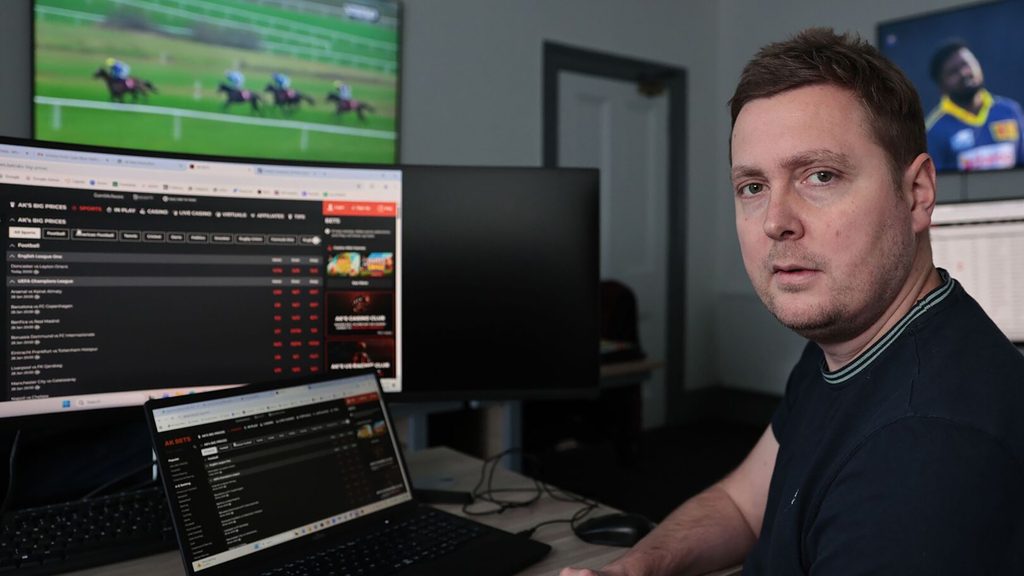
Each of those paths, Kaminskas said, would either push betting activity toward the black market or make licensed operators “uncompetitive to the black market.” He went further, predicting that “black market is going to capture a large double digit figure of market share soon in Ireland,” pointing to the UK’s experience with rising betting taxes as a cautionary example.
The Irish Bookmakers Association (IBA) has made a similar case, as reported by the Racing Post, warning that a higher duty would lead to more betting shop closures, further job losses, and increased illegal betting activity. The trade body points to history for evidence: it claims the doubling of betting duty from 1% to 2% back in 2019 contributed to 222 betting shop closures and the loss of roughly 1,000 retail jobs — though that trend also lines up with the broader, industry-wide shift from retail to online betting seen across many markets, Ireland included, making it hard to isolate tax as the sole cause.
In a submission to Finance Minister Simon Harris, seen by the Racing Post, the IBA put its concerns in blunter terms: “Every euro of additional cost on a licensed operator has to be recovered somewhere, usually through reduced odds and reduced value for customers.” It contrasted that with offshore competitors, adding that “unlicensed operators recover nothing, because they pay no duty, no levy and no compliance cost, and they offer none of the consumer protections that licensed operators are required to provide.”
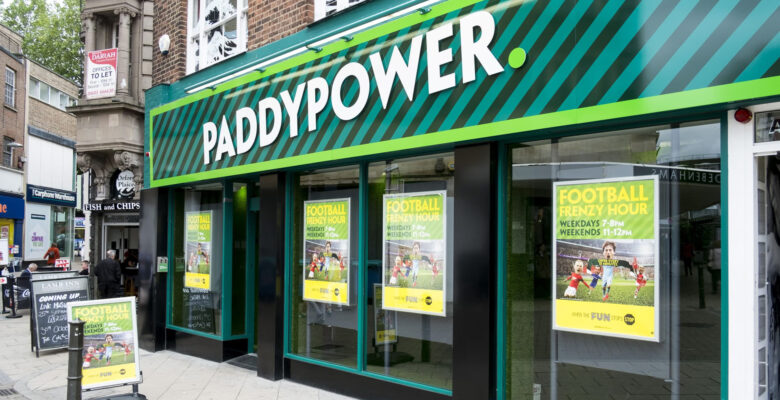
The warnings arrive against a backdrop of closures that are already underway. Entain announced plans in April to shut a third of its Ladbrokes betting shops in Ireland, while Flutter has said it is weighing up to 100 Paddy Power closures across the UK and Ireland — decisions that predate any confirmed tax rise but underscore the retail sector’s fragility.
Not Everyone in the Industry Agrees
Not every industry veteran is on the same side of the debate. Stewart Kenny, a co-founder of what is now the Flutter Entertainment-owned Paddy Power brand — Ireland’s biggest betting company by online traffic according to Blask, and the fourth-biggest in the UK — has taken the opposite position. Kenny is calling for a much steeper 40% tax on online betting and casino revenue, according to the Irish Times.
The split highlights just how unsettled the debate remains even within the industry itself, with operators disagreeing not just on whether tax should rise, but by how much and on which products.
The conversation is also playing out in a new regulatory landscape. Irish gambling is now overseen by the Gambling Regulatory Authority of Ireland (GRAI), a body established under the Gambling Regulation Act 2024 to enforce the country’s updated legislative framework — meaning any tax changes would land on an industry already absorbing a broader regulatory overhaul.
With the 2027 budget still to be finalised, operators, trade bodies and dissenting voices like Kenny’s are all likely to keep pressing their case in the months ahead.